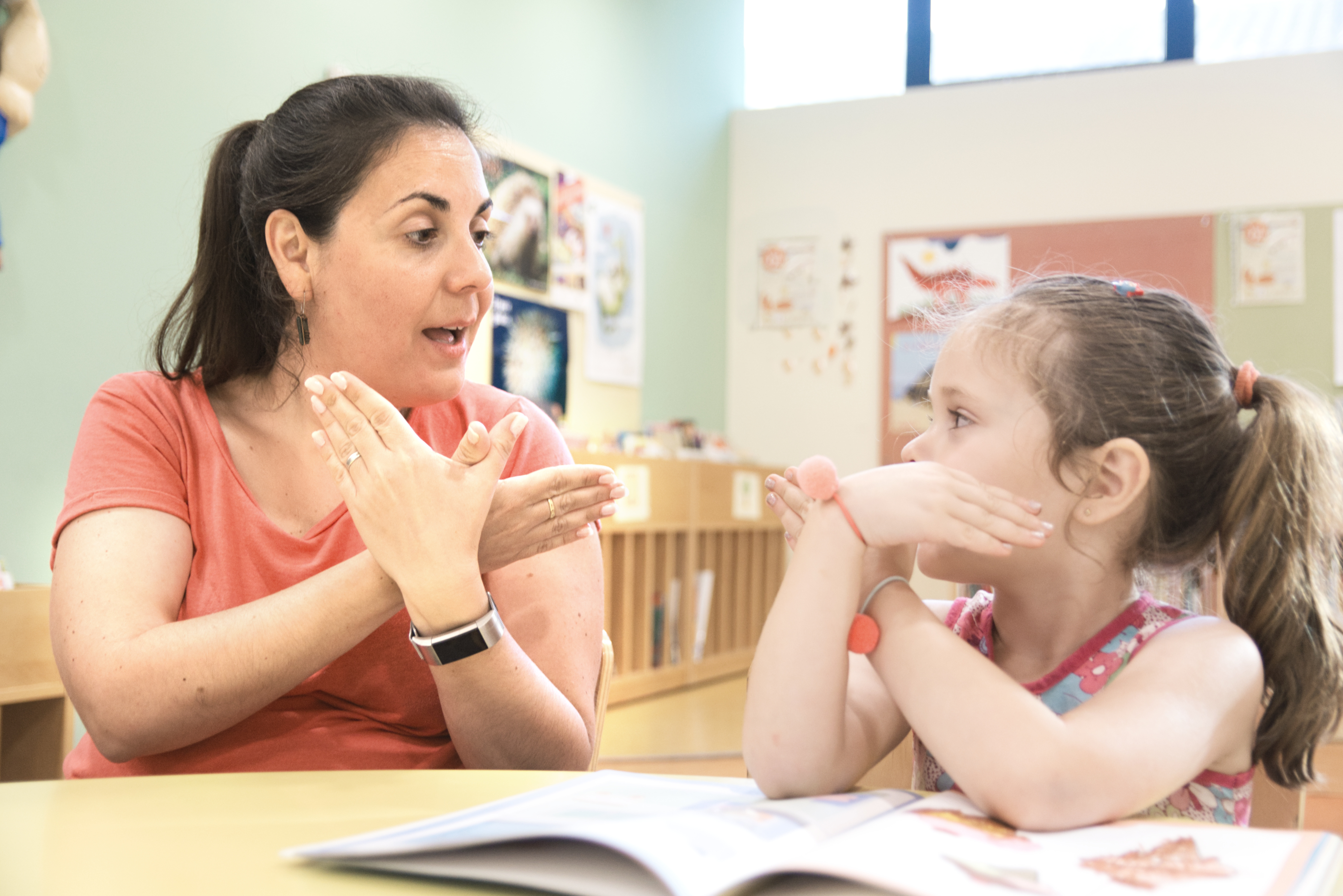
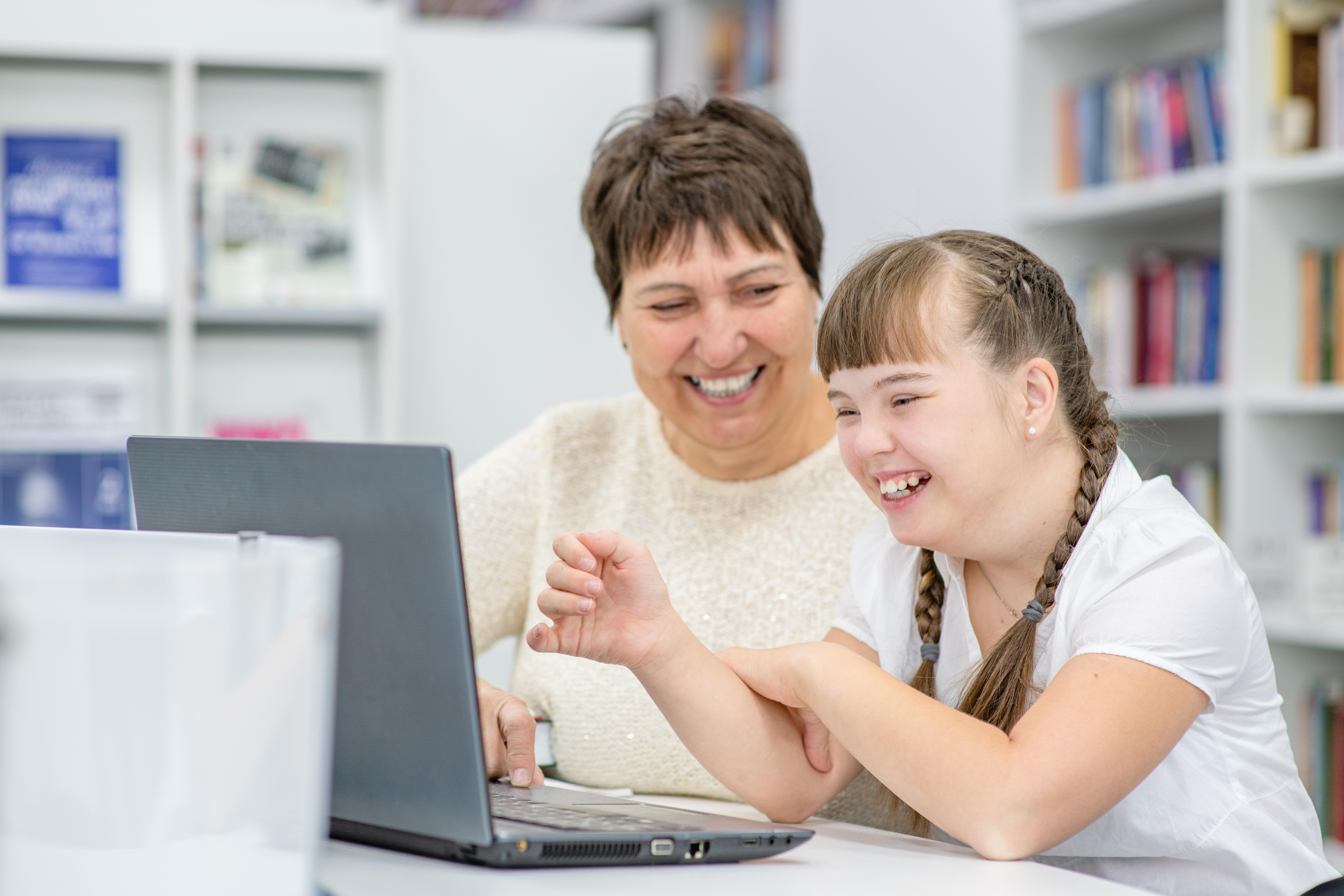
Our Special Education Counselors serve a vital role in supporting students with disabilities in the school setting. Working alongside general-education and special-education teachers, administrators, parents, and other support staff, they help ensure that students’ academic, social, emotional, behavioral, and transition needs are addressed in an integrated way. Key responsibilities include:
Collaborating with special-education and general-education teams to help design and implement individualized plans (such as components of an IEP or 504 plan) that support students’ success inside and beyond the classroom.
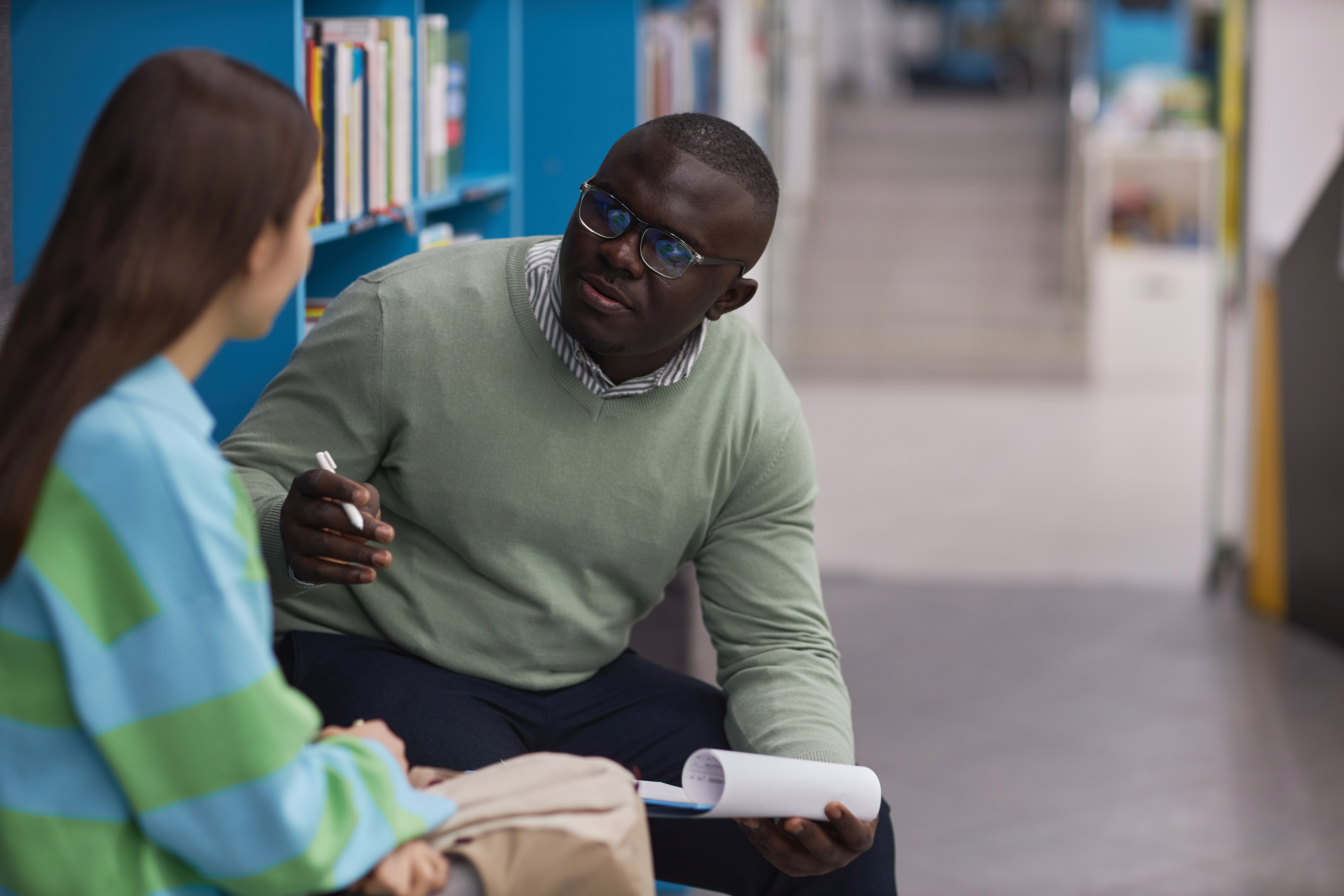
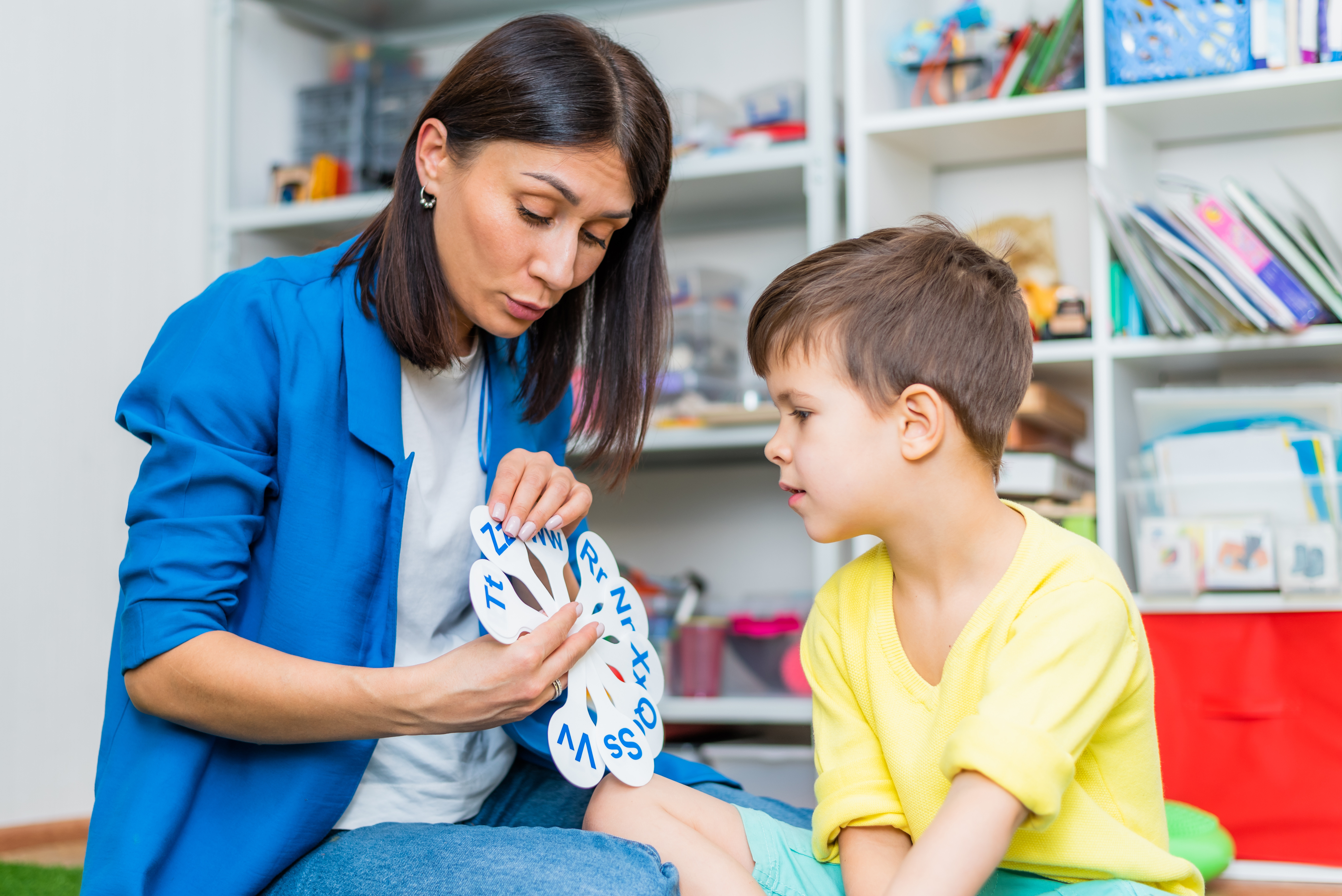
Providing direct counseling services (individual or small group) to help students navigate social-emotional challenges, build self-advocacy skills, adjust to the school environment, and prepare for post-school outcomes (college, career, independent living).
Consulting with educators and families about strategies to support students with disabilities, including behavior interventions, social skills training, accommodations/modifications, and transition planning.
Serving as a member of multidisciplinary teams (such as the Admission, Review, and Dismissal (ARD) committee) to represent the counseling perspective, communicate student needs, track progress and outcomes, and help align services with educational goals.
Assisting in crisis response, facilitating referrals to mental-health or community services, and helping coordinate supports for students who may face academic, behavioral or attendance challenges due to their special-education needs.
Monitoring student progress, documenting counseling and support activities, and participating in the evaluation of programs and supports to ensure fidelity and effectiveness.
Through these services, our Special Education Counselors help create a safe, inclusive and growth-oriented environment — empowering each student to build communication, coping, self-management and transition skills needed for success in school and life.